
Case study
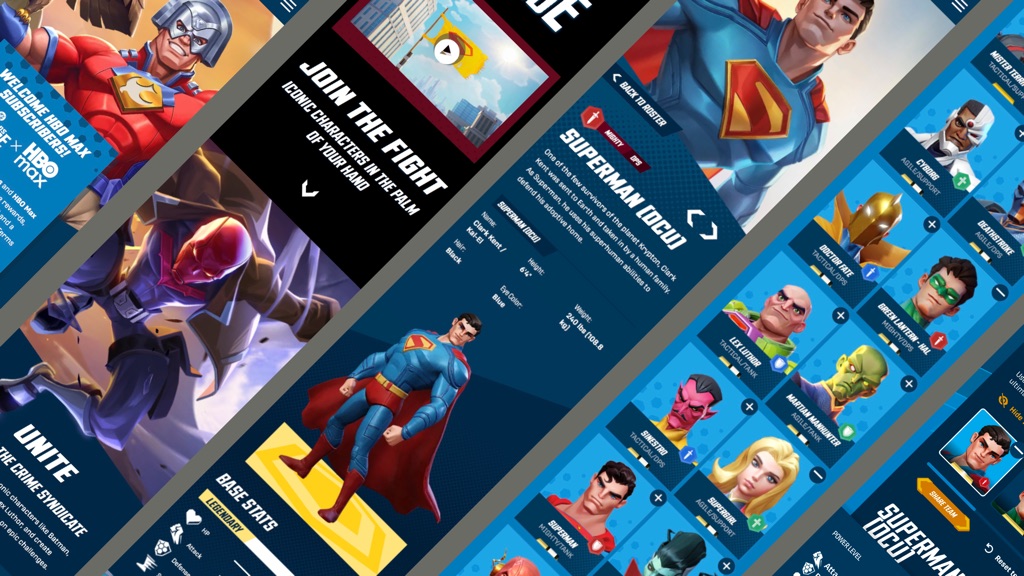
Impressing Warner Bros. on a shoestring budget
We took a project we’d normally turn down. When the budget’s too small for the usual process, you change the process.
3 min read
TL;DR
Warner Bros. asked us to build a marketing website for DC Worlds Collide and launch it before the U.S. release of the mobile game. Our first engagement with a marquee client: small budget, tight clock, and a key feature still being finalized by the developers.
The Challenge
Too little budget for the usual process. Too big an opportunity to pass on.
What We Did
Changed the process. Three senior practitioners in one room — “three in a box.” Minimal overhead, fast decisions.
Site delivered, on time and on budget.
A “first date” became an ongoing relationship with WB.
3
senior practitioners in one room, in place of a full multi-disciplinary team
On time
and on budget, live ahead of the U.S. game release
1 → ongoing
a first engagement that became a continuing Warner Bros. relationship
The budget was below the threshold at which we would normally decline a project. Removing coordination overhead — not adding people — is what made it deliverable.
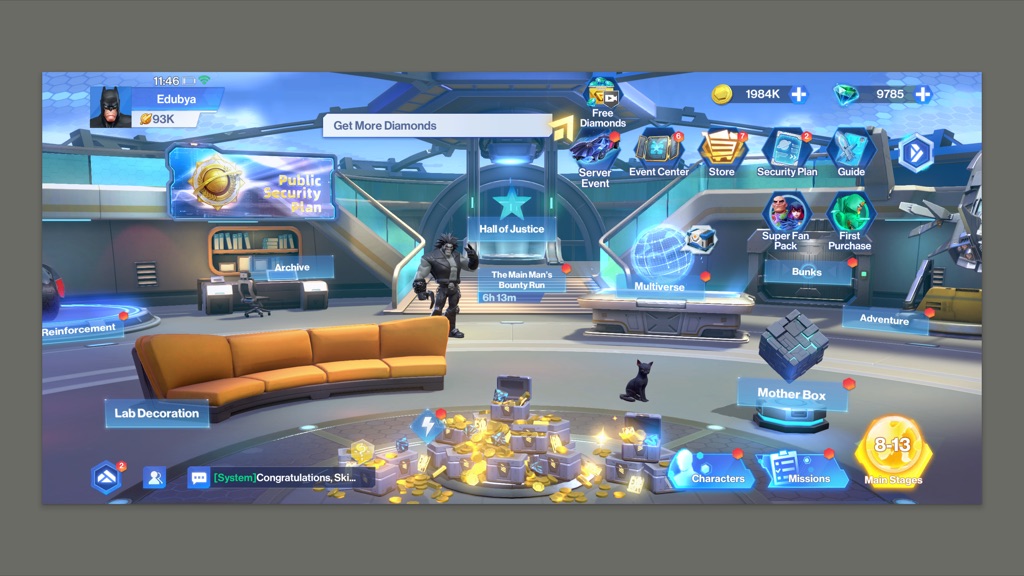
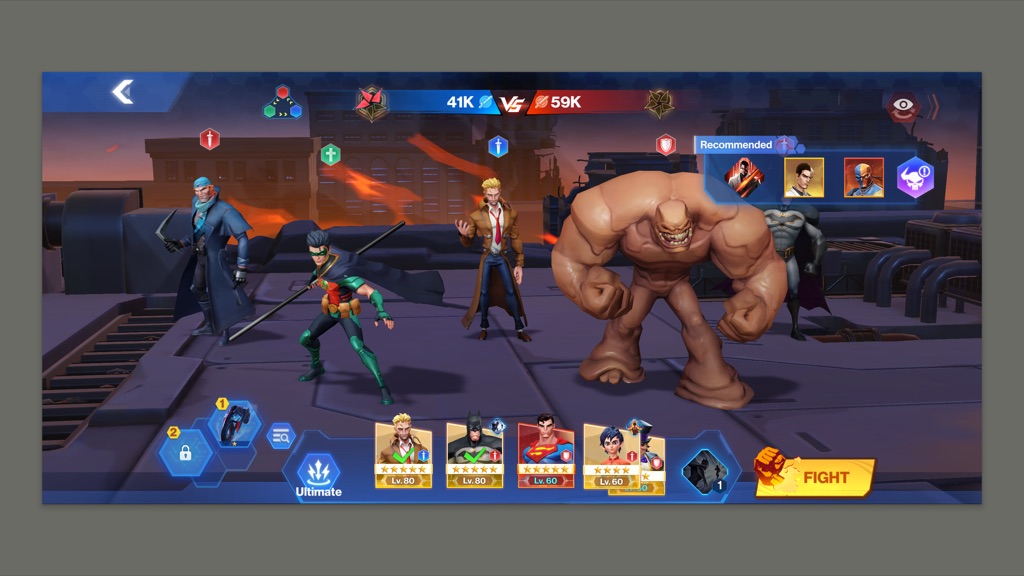
Screen shots from the current DC Worlds Collide mobile game.
Context
Warner Bros. came to us to build a marketing website for DC Worlds Collide. The game had already launched in Canada; the site had to go live before the U.S. release. That deadline didn’t move.
It was our first engagement with WB, and we wanted to earn an ongoing relationship with one of the most recognized entertainment companies in the world.
The catch: the budget was small, smaller than plenty of projects we’d normally turn down. The timeline was tight. At the core of the ask: an RPG squad-building feature, dependent on game mechanics still being finalized by the developers. We had to build a website that mimicked the game’s functionality. While we could see it working in the Canada release, the under-the-hood mechanics were still being finalized. This meant we were designing something before anyone could tell us exactly how it worked.
Every instinct said pass. We didn’t want to.
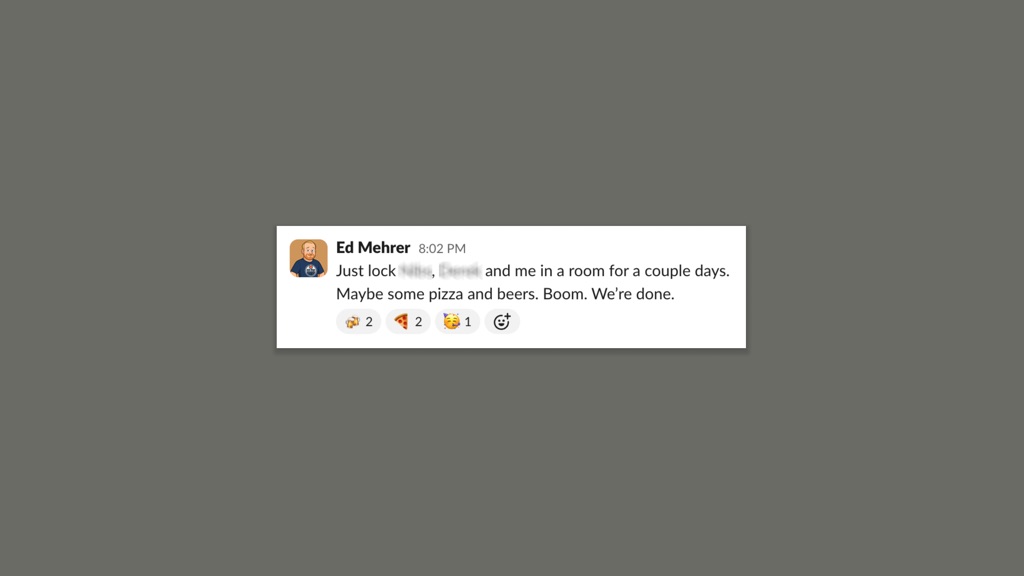
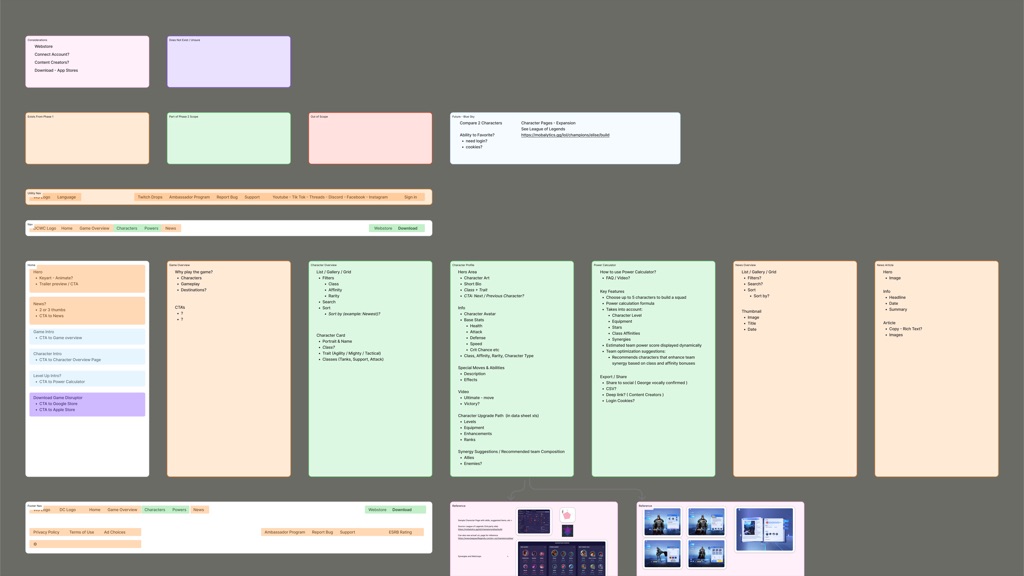
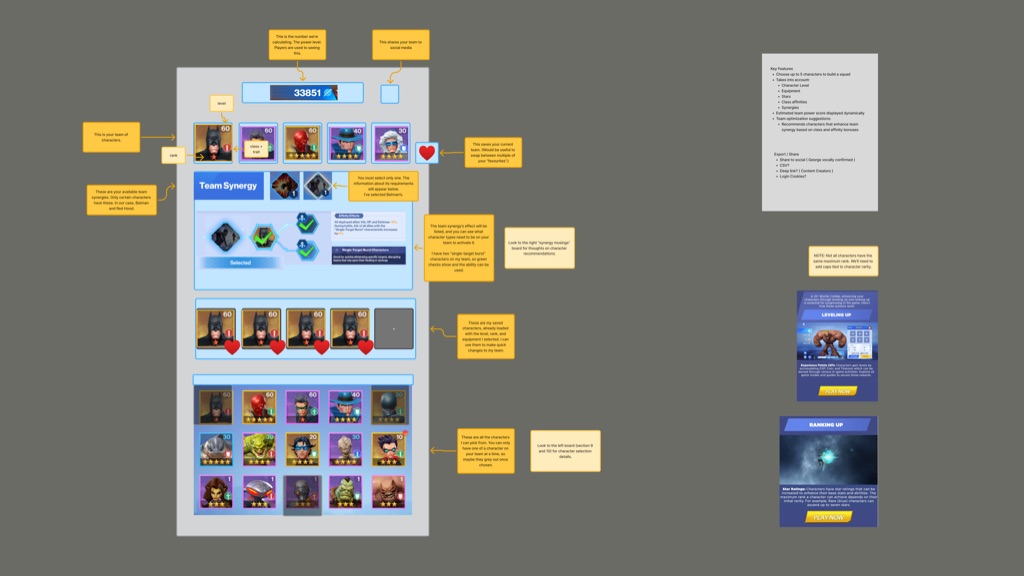
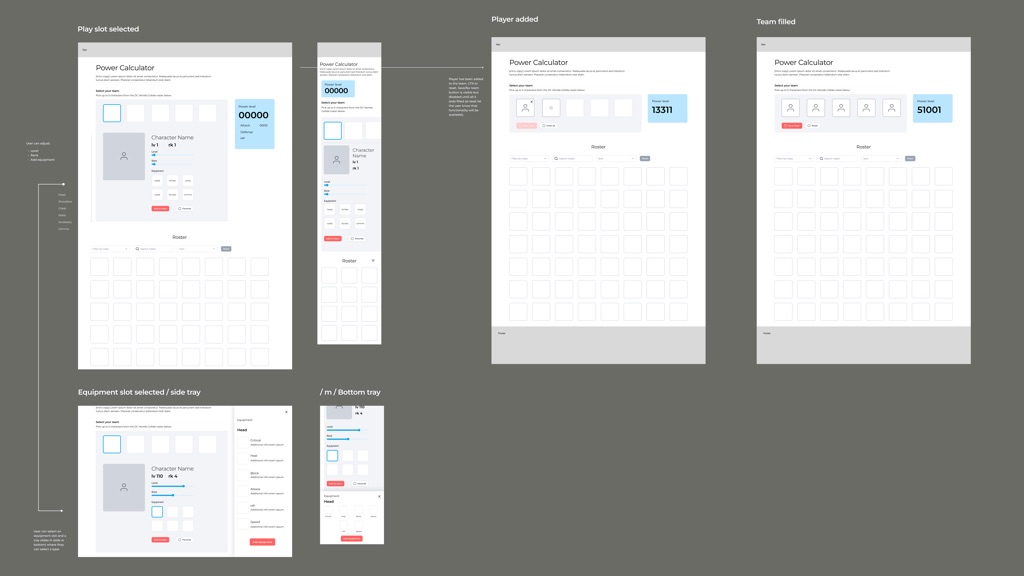
The Slack message that got things moving, plus some early sketching and wires.
Approach
The usual way to run a project like this is to bring every relevant discipline to the table, try and give each a slice of the budget, and coordinate the pieces. On a small budget, that approach quietly eats itself alive. Coordination, handoffs, ramp-up, rework, the process costs more than the work.
So we changed the process.
Instead of a large team getting small pieces of a small pie, we put three very senior people in one room: me (Head of UX & Product), the Head of Technology, and a senior Creative Director. We called it “three in a box.”
The logic was simple. Three experts who hold their whole discipline in their heads don’t need to be managed. They make fast calls, challenge each other in real time, and design, build, and art-direct in parallel. The coordination tax drops to near zero.
It also handled the uncertainty. With the character-building mechanics still in flux, we didn’t have to escalate or wait. Three senior people in the room could make a judgment call, design to the concept rather than the unfinished spec, and keep moving.
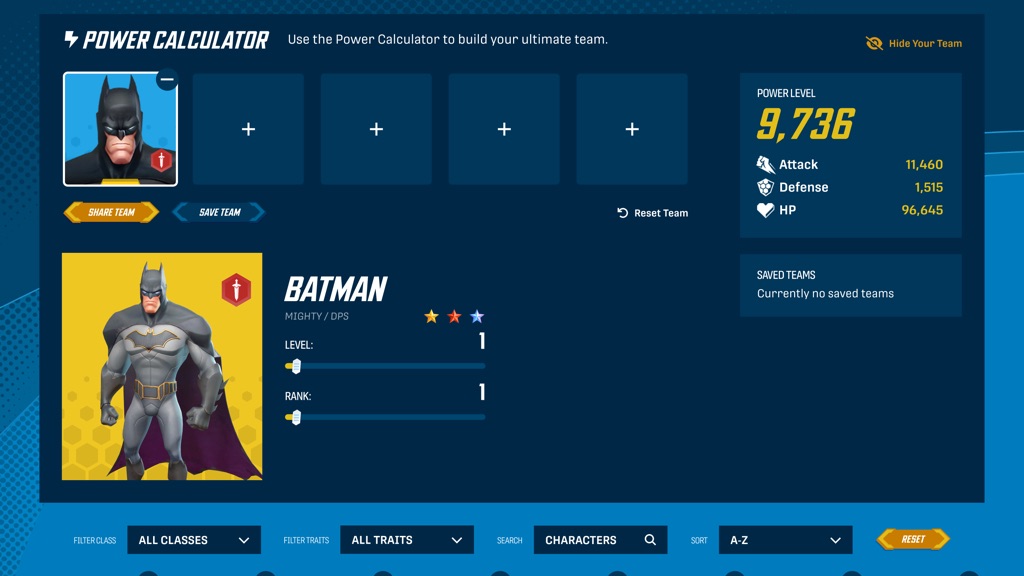
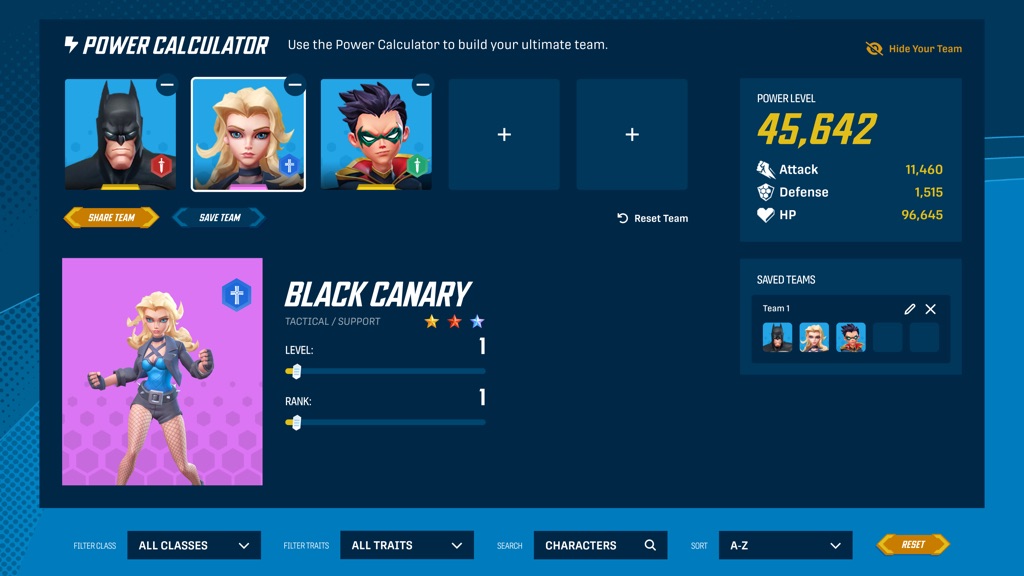
Some screenshots of the finalized Power Calculator for team building in the game.
Outcome
We delivered on time and on budget. The site launched ahead of the U.S. release of the game.
The client was impressed, enough that a one-off first engagement turned into a longer relationship and more work with WB. The thing we’d hoped for, we got.
Reflection
Here’s the honest part. “Three in a box” worked but it isn’t a strategy. You can’t put three department heads or discipline leads on every project with a tight budget and a fuzzy brief. That’s not repeatable. It’s a stopgap made of expensive people.
The real lesson wasn’t “use senior people.” It was that coordination overhead, not talent, is often what a small budget can’t afford. The win came from removing the overhead, not from the seniority itself.
So we’re operationalizing it. We’re turning the speed and cohesion of “three in a box” into a repeatable process, without needing three of the most senior people in the building every time. The heroics were the proof of concept. The system is the point.